Source Automatic Thermal Label Rewinding Machine for Apparel, Food, and Medical
Compare 30 automatic thermal label rewinding machines from verified suppliers. These electric units support continuous operation for apparel, beverage, and medical applications with customizable rewinding speeds.
Key considerations
Products List


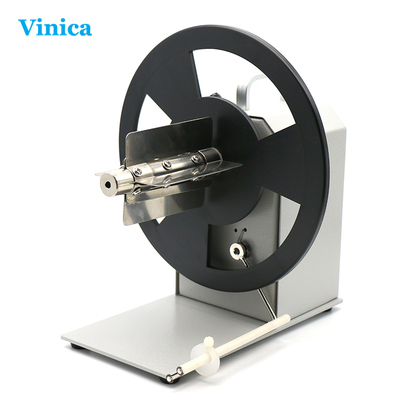
2023 Hot Sell Automatic Thermal Label Printer Rewinder Inspection Rewinding Machine
$59.63 - $85.00
MOQ: 1 Minimum


Multi Functional Hot Sale Adhesive Label Automatic Rewinder Rewinding Machine
$1400.00 - $1500.00
MOQ: 1 set

Rewinder Machine Paper Roll Label Rewinding Machine Rewinding Machine
$600.00 - $2500.00
MOQ: 1 Pieces

High Precision Cheap Price 450A Automatic Label Rewinding Machine for Sale
$1400.00 - $1500.00
MOQ: 1 set


Coditeck Automatic Label Rewinder Reel to Reel for Thermal Label Printer
$85.00 - $92.00
MOQ: 1 Pieces

China Automatic High Speed Thermal Paper Slitting and Rewinding Machine
$850.00 - $20000.00
MOQ: 1 Pieces

Fully Automatic High Speed Label Thermal Roll to Roll Paper Slitting Rewinding Machine
$12000.00 - $20000.00
MOQ: 1 Sets


Comprehensive Sourcing Guide
Strategic Sourcing Guide for Automatic Thermal Label Rewinding Machines
Understanding Core Technical Specifications and Operational Capabilities
When evaluating an Automatic Thermal Label Rewinding Machine, the primary objective is to identify equipment that aligns with specific production throughput requirements and material handling constraints. The market offers machines with varying power ratings and operational speeds, necessitating a careful review of technical data sheets before procurement. Based on observed product attributes, a standard unit may feature a power consumption of 120W, while compact or specialized models might operate at 20W. Buyers must verify the voltage compatibility of the unit, as observed ranges include 110-240V, ensuring the machine can integrate seamlessly with local facility power infrastructure without requiring extensive electrical retrofitting.
The mechanical performance is defined by the rewinding speed and the maximum width of the material the machine can handle. Specifications indicate that certain models support a rewinding speed of 0-100 meters per minute, which is critical for high-volume environments. For smaller scale operations, maximum speeds may be listed in inches per second, such as 10 inches per second. The machine's physical dimensions are equally important for floor planning; observed standard dimensions for larger units range from approximately 660x400x580mm to 700x650x700mm, while compact single-package sizes might be around 31x31x34 cm. The core size of the rewinder is another critical variable, with options typically available in 1-inch (28mm), 1.5-inch (40mm), and 3-inch (76mm) configurations to accommodate different core types.
The rewinding mechanism itself often employs a two-sided rewinding method, which ensures even tension distribution across the label roll. This is particularly beneficial when processing materials like PET, PVC, PC, BOPP, PE, PP, and various paper types. The machine's construction material is predominantly stainless steel, offering durability and resistance to corrosion, which is essential for maintaining hygiene in food, beverage, and chemical applications. The automatic grade of the machine ensures that the process is fully automated, reducing the need for manual intervention and minimizing the risk of human error during the rewinding process.
Compliance, Certification, and Safety Standards
In the B2B procurement of industrial machinery, verifying compliance with international safety and quality standards is non-negotiable. Buyers should prioritize suppliers who can provide documentation confirming that their equipment meets recognized certification requirements. Observed product data indicates that many automatic thermal label rewinding machines carry CE and ISO9001:2015 certifications. The CE marking suggests compliance with European health, safety, and environmental protection standards, while ISO9001:2015 indicates that the manufacturer adheres to a robust quality management system.
However, buyers must exercise caution and not assume that every listed product automatically satisfies all certification claims. It is essential to request valid, up-to-date certification certificates directly from the supplier rather than relying solely on product descriptions. The presence of a "machinery test report" is another indicator of quality assurance; however, in some observed listings, this report is marked as "Not Available." In such cases, the buyer should explicitly request a third-party test report or a detailed video inspection of the machinery test process to verify performance claims.
Safety features should also be scrutinized. The machine's core components, such as the motor, should be of high quality to ensure reliable operation over long periods. The warranty period is a significant factor in assessing the manufacturer's confidence in their product; a standard warranty of 1 year is commonly observed. Buyers should clarify the scope of this warranty, including whether it covers parts, labor, and on-site service, and whether it is transferable if the machine is sold or relocated. Additionally, the "video outgoing-inspection" feature mentioned in some listings can serve as a preliminary quality check, allowing buyers to visually verify the machine's condition and functionality before shipment.
Cost Drivers and Pricing Structure Analysis
The pricing of automatic thermal label rewinding machines is influenced by a complex array of factors, including the machine's power rating, material composition, and the level of automation. The observed price range for these units is substantial, spanning from approximately $59.63 to $26,500. This wide disparity reflects the difference between basic, compact units and large-scale, industrial-grade systems with advanced features. Buyers should understand that the lowest price points often correspond to machines with lower power consumption (e.g., 20W) and smaller dimensions, suitable for low-volume or specialized applications. Conversely, higher-priced units typically offer greater rewinding speeds, larger dimensions, and more robust construction materials.
The Minimum Order Quantity (MOQ) is another critical cost driver. In the current market, many suppliers offer an MOQ of 1, allowing buyers to purchase a single unit for pilot testing or small-scale operations. This flexibility is advantageous for companies looking to diversify their supplier base or test new technologies without committing to large inventory volumes. However, buyers should be aware that purchasing in larger quantities may unlock volume discounts, though specific pricing tiers are not universally standardized and must be negotiated directly with the supplier.
Packaging and shipping costs also contribute to the total cost of ownership. Observed packaging details indicate that machines are often shipped in wooden boxes or standard carton boxes, depending on the size and weight of the unit. The single gross weight of some compact models is recorded at 4.000 kg, which influences freight charges. Buyers should factor in the cost of custom packaging if the machine requires special handling or if the destination country has strict import regulations regarding wooden packaging materials. Additionally, the lead time, which is typically 10 days after order confirmation, should be considered in the overall procurement timeline to avoid production delays.
Typical Applications and Industry Versatility
Automatic thermal label rewinding machines are designed to serve a diverse range of industries, making them a versatile investment for many businesses. The observed application areas include apparel, beverage, chemical, commodity, food, and medical sectors. This broad applicability stems from the machine's ability to handle various materials, including labels, adhesive paper, and ribbons. The "low noise" and "high speed" advantages of these machines make them particularly suitable for environments where noise control is important, such as in food processing facilities or medical laboratories.
In the medical industry, the machine's ability to operate continuously for 24 hours is a significant benefit. This high working intensity ensures that label production can keep pace with the demands of pharmaceutical packaging and medical device labeling. The machine's compatibility with materials like PET, PVC, and BOPP allows it to process a wide variety of label types, from durable industrial labels to delicate adhesive stickers. The "adjustable core size" feature further enhances its versatility, enabling the machine to handle different roll diameters ranging from 10mm to 220mm.
For the apparel and beverage industries, the machine's ability to process paper and sticker materials is crucial. The "easy to operate" nature of these machines reduces the training time required for new operators, allowing for quick integration into existing production lines. The "round knife cutting" method, often associated with these machines, ensures clean and precise cuts, which is essential for maintaining the quality of the final product. Buyers should assess their specific material requirements and production volumes to determine which machine configuration best suits their operational needs.
Supplier Evaluation and Quality Control Protocols
Selecting the right supplier is as critical as selecting the right machine. Buyers should evaluate suppliers based on their ability to provide comprehensive technical support, reliable after-sales service, and transparent communication. The "place of origin" for many of these machines is reported as Xiamen, China, or Henan, China, indicating that buyers should be prepared to engage with suppliers from these regions. While the specific supplier names should not be recommended, buyers should verify the supplier's reputation through independent reviews, industry references, and past performance records.
Quality control is a paramount concern in the procurement of industrial machinery. Buyers should insist on a detailed machinery test report or a video inspection of the machine before finalizing the purchase. The "video outgoing-inspection" feature observed in some listings is a positive indicator, but it should be supplemented with a live video call or a third-party inspection if possible. The "machinery test report" status should be confirmed; if it is marked as "Not Available," the buyer should request a replacement or a more detailed inspection report.
The "working intensity" of the machine, which includes the ability to operate for 24 hours continuously and in low-temperature environments, is a key performance indicator. Buyers should verify that the machine's components, particularly the motor, are rated for such demanding conditions. The "warranty" period of 1 year is a standard offering, but buyers should negotiate for extended warranty options or service level agreements that guarantee rapid response times for repairs and maintenance.
Long-Term Procurement Considerations and Maintenance
Long-term procurement considerations extend beyond the initial purchase price and include maintenance costs, spare parts availability, and the total cost of ownership. The "automatic grade" of the machine reduces the need for manual intervention, but regular maintenance is still required to ensure optimal performance. Buyers should inquire about the availability of spare parts, such as motors and cutting blades, and the lead time for their delivery. The "wooden box" or "carton" packaging used for shipping should be durable enough to protect the machine during transit, but buyers should also consider the cost of replacing packaging materials if the machine is to be relocated or stored for extended periods.
The "low noise" and "high speed" features of the machine are advantageous, but they also imply that the machine may generate heat and wear over time. Buyers should plan for regular maintenance schedules to prevent downtime and extend the machine's lifespan. The "adjustable core size" feature is a long-term asset, as it allows the machine to adapt to changing production needs without requiring a new purchase. However, buyers should verify that the adjustment mechanism is robust and easy to use, as frequent adjustments can lead to wear and tear if not properly maintained.
Finally, buyers should consider the "key selling points" of the machine, such as "easy to operate," when evaluating long-term value. A machine that is difficult to operate may lead to higher training costs and increased error rates, which can offset the initial savings. The "brand name" and "product model" (e.g., LTD-450A, VNC-Q5) should be used to track the machine's performance and support history. By focusing on these long-term factors, buyers can ensure that their investment in an Automatic Thermal Label Rewinding Machine delivers sustained value and operational efficiency.
FAQs
What certifications do these machines typically hold?
Many automatic thermal label rewinding machines hold CE and ISO9001:2015 certifications. Buyers should verify valid certificates directly from the supplier rather than assuming every unit meets these standards.
How fast can the rewinding speed operate?
Standard units can operate at speeds ranging from 0 to 100 meters per minute. Some compact models may list maximum speeds in inches per second, such as 10 inches per second.
What is the typical lead time for orders?
The standard lead time is 10 days after order confirmation. This duration applies to most units but should be confirmed with the specific supplier to avoid production delays.
Can the machine handle continuous 24-hour operation?
Yes, many models support 24 hours of continuous working intensity. They are designed for low-temperature environments and high working intensity suitable for medical and industrial applications.
What materials can this machine process?
The machine processes PET, PVC, PC, BOPP, PE, PP, paper, and stickers. It is suitable for applications in apparel, beverage, chemical, food, and medical sectors.
Is customization available for these machines?
Customization is available for these automatic thermal label rewinding machines. Buyers should discuss specific requirements with the supplier to ensure the machine meets unique production needs.
What is the warranty period for the equipment?
A standard warranty period of 1 year is commonly observed for these units. Buyers should clarify if the warranty covers parts, labor, and on-site service before purchasing.